







Search Results for: Extraction Process
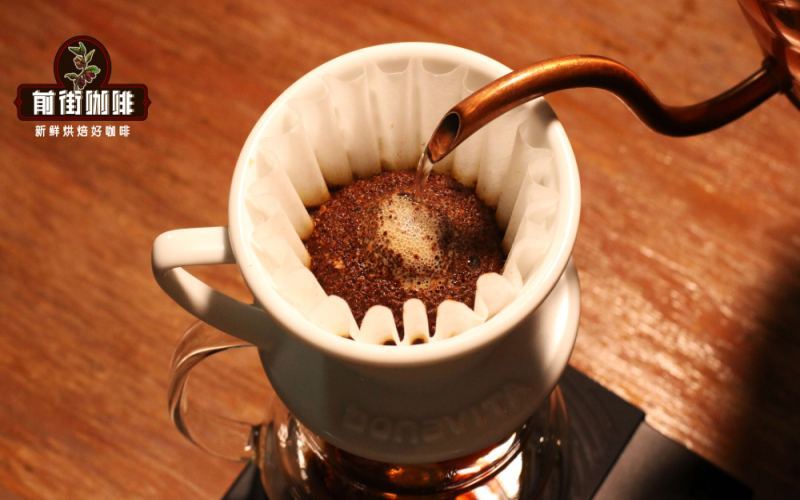
An In-Depth Analysis of the Four Major Decaffeination Processes: A Comparison of Solvent Extraction, the Swiss Water Process, and the Carbon Dioxide Method
Caffeine content is influenced by multiple factors such as bean variety, steeping time, grind size, brewing method, and water temperature, among which extraction time is particularly critical—drip coffee typically has higher caffeine than espresso. If you want to reduce your caffeine intake, directly purchasing decaf beans is more effective than avoiding espresso. Decaf beans must undergo special processes before roasting to remove 96% to 98% of the caffeine, and these treatments inevitably alter the beans' physical and chemical properties, thereby affecting flavor. Currently, the mainstream methods include three types: the methylene chloride solvent extraction method, the Swiss Water Process, and the carbon dioxide extraction method. This article will break down the principles, advantages, and disadvantages of each process one by one, and compare the two decaf options used by Starbucks, helping coffee enthusiasts understand the technical logic and flavor trade-offs behind decaf coffee. [more…]
A Detailed Explanation of Six Coffee Extraction Methods: Comparing the Extraction Process and Characteristics of Pour-Over Drip and Espresso
Extraction is the core stage that determines the flavor expression of a cup of coffee. Whether it is pour-over drip, espresso, or any other brewing method, it is closely tied to the principles of extraction. This article systematically sorts through six common coffee extraction methods—immersion, decoction, percolation, pour-over drip, vacuum filtration, and pressurized extraction—and focuses on analyzing the extraction process, key parameters, and operational details of pour-over coffee and Espresso. At the same time, the article also introduces key points for choosing espresso grinders and coffee machines, as well as practical concepts such as Crema and golden extraction. Whether you are a beginner just getting into coffee or an enthusiast hoping to refine your brewing skills, you will find something worth referencing here. Front Street Coffee also provides related product and brand recommendations in the article for readers to consult when making purchases. [more…]
Analysis of the Three Major Decaffeination Processes for Decaf Coffee: Flavor and Safety Comparison of Solvent Extraction, Swiss Water Process, and Carbon Dioxide Method
Caffeine content is influenced by multiple factors such as bean variety, grind size, and brewing method, and drip coffee often has higher caffeine than Espresso. For those who want to reduce their intake without giving up a rich mouthfeel, decaf coffee is an ideal choice. This article explains in detail three mainstream decaffeination processes—methylene chloride solvent extraction (direct and indirect), the Swiss Water Process, and carbon dioxide extraction—analyzes their respective effects on flavor and safety, and specifically explains Starbucks decaf coffee's two processing paths and the issue of residual solvents. At the end is information on how to obtain Front Street Coffee specialty beans, making it suitable reading for coffee lovers who value health while pursuing flavor. [more…]
Decaf Coffee Bean Caffeine Content Explained: Everything You Need to Know About Decaffeination Methods, Flavor Differences, and Health Benefits
Many coffee lovers want to enjoy the comfort of a cup of coffee but worry about caffeine affecting their sleep. So which coffee beans actually have the least caffeine? How does decaf coffee taste different from regular coffee? This article starts with the basic caffeine content, compares the differences between Arabica and Robusta, sorts out the impact of roasting, grinding, and extraction on coffee quality, and introduces in detail the principles and characteristics of three decaffeination processes: the solvent extraction method, the Swiss Water Process, and the carbon dioxide high-pressure extraction method. At the same time, Front Street Coffee will also share the real reasons why decaf coffee tastes milder, as well as its value in terms of antioxidants and nutrients, to help you understand decaf coffee more comprehensively. [more…]
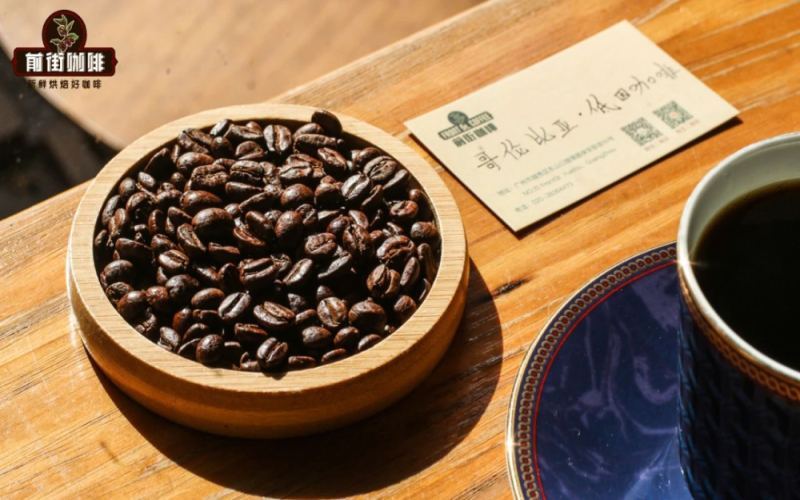
In-Depth Analysis of Decaf Coffee: Decaffeination Principles, Mainstream Processing Methods, and Pros and Cons of Naturally Low-Caffeine Varieties
For those who want to savor coffee yet worry about caffeine affecting their sleep, decaf coffee is undoubtedly a thoughtful choice. But how exactly is coffee decaffeinated? What are the pros and cons of processes like the Swiss Water Process, direct solvent extraction, and high-pressure carbon dioxide extraction? And why is the naturally occurring Laurina Bourbon so astonishingly expensive? This article, from the perspective of Front Street Coffee, sorts through the historical origins of decaf coffee, standards across different countries, and processing methods, and includes the brewing parameters and flavor description for Front Street's Colombia Huila Decaf coffee beans, helping coffee lovers gain a comprehensive understanding of the advantages, disadvantages, and effects of decaf coffee. [more…]
From Coffee Cherry to Cup: A Comprehensive Guide to Coffee Bean Processing Methods, Extraction Techniques, and Instant Coffee Production
Coffee processing encompasses three levels: the processing methods that extract coffee beans from coffee cherries, the brewing methods that extract coffee liquid from coffee beans, and the industrial processes that turn coffee liquid into instant coffee powder. Traditional processing methods include three types—washed, natural, and honey—each giving coffee beans a distinctly different flavor profile. Extraction methods fall into three mainstream categories: drip, pressure, and cold brew, corresponding to pour-over coffee, espresso, and cold brew coffee, respectively. As for instant coffee, regular instant and freeze-dried coffee also show clear differences in production techniques and flavor retention. This article will break down these processing stages one by one to help coffee enthusiasts build a complete knowledge framework from seed to cup. [more…]
What Exactly Does Coffee Extraction Mean? An In-Depth Analysis of Extraction Principles and Eight Key Brewing Parameters
Coffee extraction, simply put, is the process of using water to dissolve the flavorful essence from coffee beans. It seems like something that can be summed up in a single sentence, but behind it lies a whole series of precise variables: extraction yield, total dissolved solids, water quality, grind size, temperature, time, and more. Roasted coffee beans are about 30% soluble, and what we aim for is extracting 18-22% of that—the optimal range. We don't want under-extraction, which leads to sharp acidity and a thin, bland cup, nor over-extraction, which brings bitterness and off-flavors. This article will start from the basic definition of extraction and break down, one by one, the nine core factors that affect extraction, helping you build a systematic framework for understanding brewing so that every cup consistently delivers the ideal flavor. [more…]
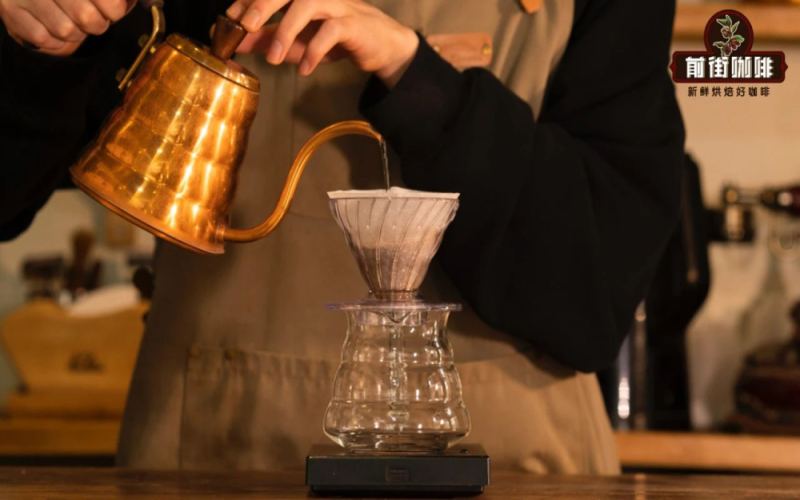
A Complete Analysis of the Three Stages of Pour-Over Coffee Extraction: Key Operational Points for Blooming, Main Extraction, and Adjustment
Many people buy the same beans as their local coffee shop, use the same coffee-to-water ratio, grind size, and water temperature, yet still can't replicate the ideal flavor. Front Street Coffee believes that brewing is like cooking—relying on parameters alone is far from enough; the key lies in understanding the purpose of each step in the entire extraction process. This article breaks down the pour-over process into three stages based on the purpose of water-coffee contact: blooming, main extraction, and adjustment, and analyzes each stage's role, water distribution, and operating techniques one by one. Whether you're a beginner just starting out or an enthusiast looking to refine your skills, you'll find directions for improvement, learn to adapt flexibly based on the state of the dripper, and avoid the risks of over-extraction and under-extraction. [more…]
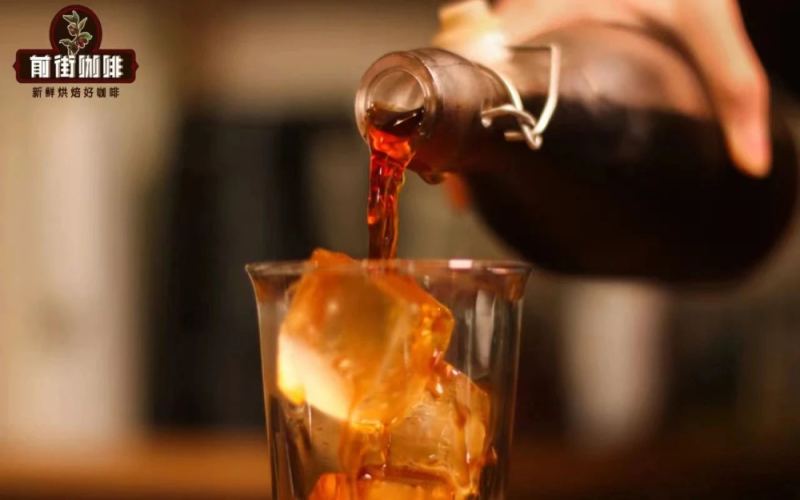
Single-Origin Cold Brew Coffee Bean Flavor Comparison and Selection Guide: From Grinding Parameters to the Full Extraction and Fermentation Process
Cold brew coffee, through its low-temperature slow extraction, presents a rich yet not bitter unique taste, making it an ideal drink for cooling off in summer. Coffee beans from different origins and processing methods give cold brew distinctly different flavor expressions. This article will compare single-origin coffee beans suitable for making cold brew, recommend specific choices such as Front Street Coffee Strawberry Candy, Mozart, and Dingding, and explain in detail the complete process from grinding setting, coffee-to-water ratio, ice-water mixing, to drip flow rate and cold fermentation, helping coffee enthusiasts make a cup of cold brew coffee that is full of juicy feel, refreshing and clean right at home. [more…]
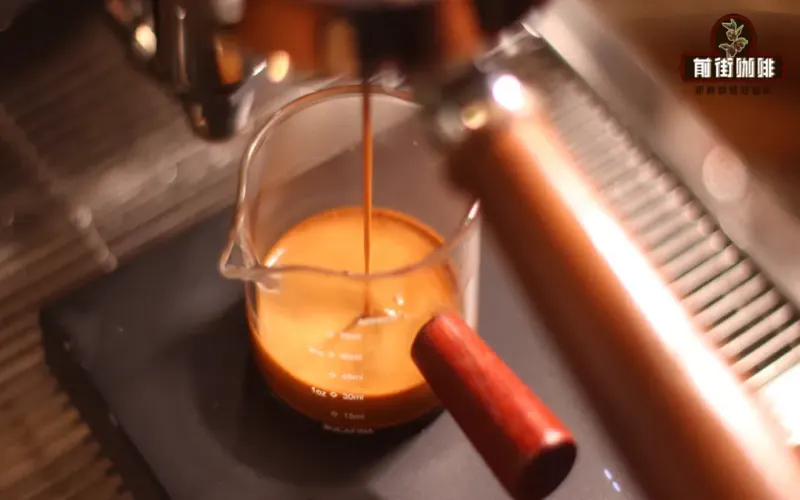
The Complete Espresso Extraction Process: Espresso Grinder Cleaning and Analysis of Eight Key Details
An espresso, from grinding to extraction, often takes less than a minute. It seems simple, but in reality it hides many variables that affect flavor. At Front Street, we repeatedly emphasize in our daily preparation that even if a perfect set of extraction parameters has been locked in during morning calibration, the final cup can still be greatly compromised if any operational step is slightly neglected. This article focuses on the complete process of making espresso with an espresso machine, sorting out one by one eight easily overlooked details—from hopper pressure, portafilter basket cleaning, and observing the grounds output, to distribution and tamping, pre-flushing, knocking the portafilter, extraction timing, and post-use cleaning—to help coffee lovers achieve consistent results and continually obtain the ideal espresso flavor. [more…]
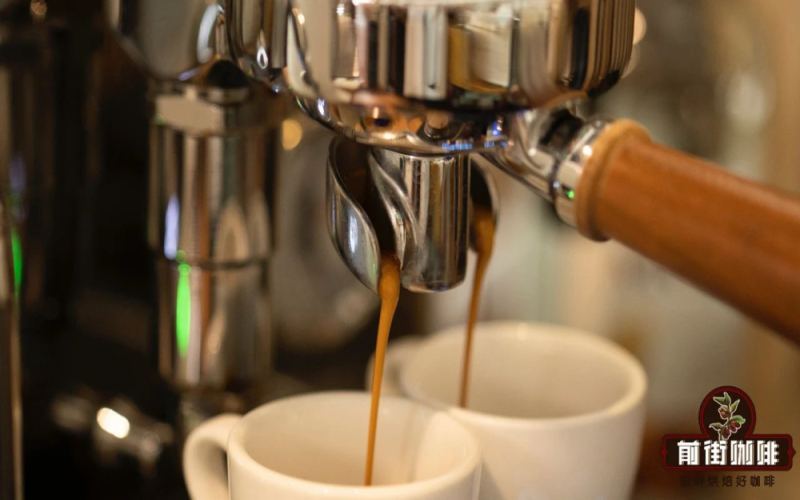
A Complete Guide to Espresso: Extraction Principles, the Science of Crema, and the Standard Brewing Process
Espresso is a coffee beverage obtained by Italians using a pressurized coffee machine to quickly extract coffee at high temperature and pressure in a short time, with a layer of golden foam on its surface. Different stores may have significantly different final flavors due to the espresso beans and extraction schemes they choose, but a standard espresso usually has two common characteristics. This article will start with the formation principle of the cream, explain the relationship between its color and the freshness of the coffee beans and the degree of roasting, then discuss the causes of high concentration, and, using the products from Front Street stores as a reference, introduce in detail the complete production process from powder amount, ratio, and time to specific operations, helping coffee enthusiasts to consistently extract an ideal cup of Espresso at home. [more…]
The Complete Guide to Espresso Extraction: Brewing Process, Americano Differences, and Blended Bean Flavor Guide
The world of espresso is built on the foundation of espresso, from which Americano, latte, cappuccino, flat white, and mocha are all derived. Espresso is made by forcing hot water at about 92 degrees through a finely ground and compacted layer of coffee under high pressure, extracting a liquid rich in flavor and relatively high in caffeine per unit. Americano originated during World War II, when American officers diluted espresso with water to mimic the taste of drip coffee, a practice that also carried a hint of European mockery. Front Street Coffee uses a hot Americano water-to-liquid ratio of about 1:4.5, and an iced Americano ratio close to 1:9, and offers four espresso blend beans to meet different needs. This article will also explain in detail the extraction standards, the effects of grinding and time on flavor, TDS measurement, as well as the seven-step espresso-making process and in-store extraction solutions, helping enthusiasts understand the logic behind a cup of espresso. [more…]
Espresso Extraction Principles and Tasting Guide: From Americano Differences to Front Street Coffee Blend Bean Production Process
Espresso is the foundation of the Italian beverage system, and Americano, latte, cappuccino, flat white, and mocha are all derived from it. This article centers on the extraction principles of espresso, sorts out its historical origins and flavor differences with Americano, and introduces in detail the positioning and characteristics of four espresso blend beans from FrontStreet Coffee. At the same time, the article also compiles reference standards for Italian-style extraction such as dose, liquid weight, and time, explains TDS measurement and the calculation method for extraction yield, and finally includes the seven-step espresso-making process and extraction scheme used in FrontStreet stores, for coffee enthusiasts to systematically understand the making and tasting of espresso. [more…]
A Comprehensive Comparison of the AeroPress and Pour-Over Coffee: Extraction Principles, Strength and Flavor Differences, and Brewing Process Explained
The AeroPress and pour-over coffee are two common methods for brewing specialty coffee, and they differ significantly in extraction principles, concentration, and flavor profile. Starting from the working mechanism of the AeroPress, this article will break down its preparation process in detail and systematically compare pour-over coffee and the AeroPress in terms of concentration and mouthfeel, helping coffee enthusiasts choose the brewing device that suits their preferences. The article also includes Front Street Coffee bean recommendations and purchasing channels for everyday reference. [more…]
Analysis of the Core Differences Between Pour-Over and Espresso Coffee, with Full Process for Espresso Extraction and Pour-Over Steps
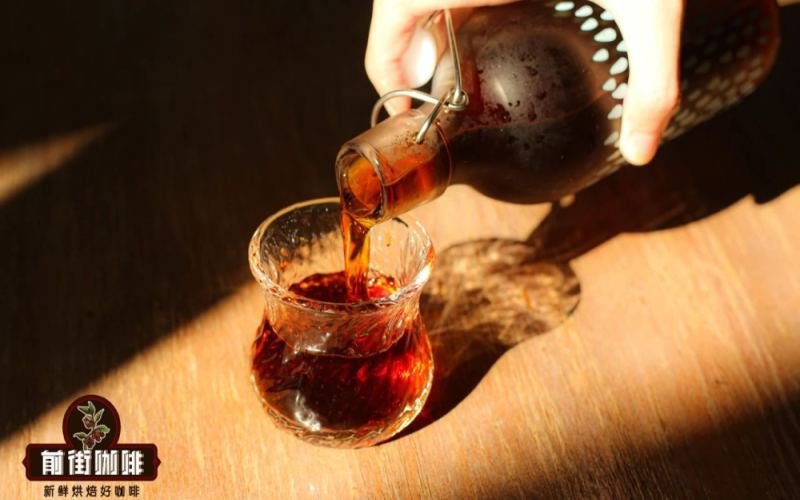
Both are cups of coffee, yet pour-over and espresso head down two completely different paths. From bean selection and extraction pressure to caffeine content, the two show striking differences at every stage. This article will systematically compare pour-over coffee and espresso across three dimensions, and break down in detail the production process of espresso and the three-stage pouring steps of pour-over coffee. At the same time, the article will also introduce the actual brewing parameters used at Front Street Coffee shops, including key data such as dose, liquid weight, and extraction time, to help coffee lovers recreate a full-flavored espresso or a clean, bright pour-over at home. [more…]

How to Choose Beans and Drink Espresso? Three Front Street Commercial Blend Recommendations and a Full Extraction Process Analysis
To make a decent espresso at home, choosing the right beans is the first step. Starting from the standards of espresso, this article sorts out the origin of Italian coffee and the logic of blending, and recommends three classic Italian blend beans from Front Street Coffee—Classic Blend, Strawberry Candy, and Commercial Blend—corresponding to different flavor preferences and usage scenarios. At the same time, it breaks down in detail the espresso extraction process at Front Street stores, including dose, ratio, time control, and operational details, and finally includes a home method for iced Americano, helping coffee lovers fully master the daily preparation of Italian coffee from bean selection to final output. [more…]
Master the Five Key Elements to Precisely Control the Extraction Process and Brew Coffee with Ideal Flavor
To craft a truly satisfying cup of coffee, scattered tips alone are far from enough—you need to start from the essence of extraction and understand the variables that influence flavor. This article centers on five core elements: freshness, grind, water quality, water temperature, and brewing technique, analyzing the dissolution patterns of different substances in coffee beans to help you make more precise judgments while brewing. It also explains how grinder choice, grind uniformity, and gentle pouring affect the final quality, bringing every brew closer to the ideal state. [more…]
How to Determine the Coffee-to-Water Ratio for Pour-Over? A Comprehensive Analysis from the Golden Cup Extraction Standard to Practical Parameters
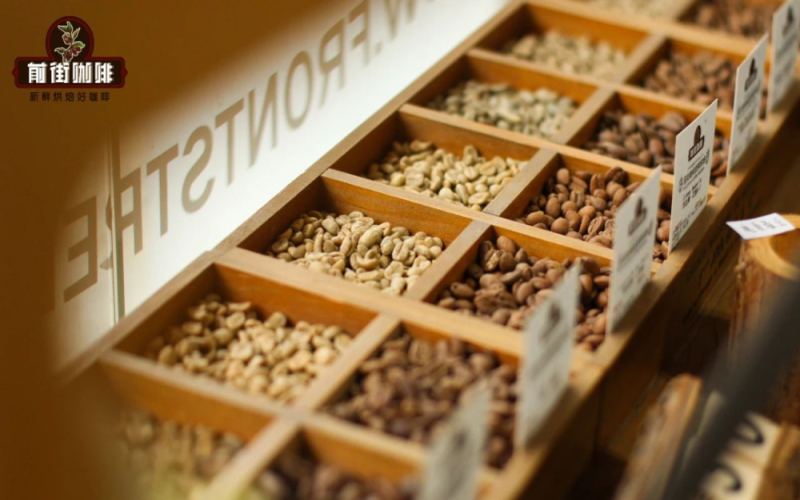
For enthusiasts who are just getting into pour-over coffee, the coffee-to-water ratio is often the first source of confusion: exactly how much coffee grounds should be paired with how much water? Starting from the hands-on experience of Front Street Coffee, this article systematically sorts out the definition of pour-over coffee, the logic for determining the coffee-to-water ratio, the concentration range of the SCAA Golden Cup extraction standard, and the seven major factors that affect extraction. The article not only provides the calculation basis for the general parameter of 1:15, but also explains in detail key steps such as grind size correction, water temperature selection, and dripper choice. Finally, it includes the specific brewing recipe and flavor description for Front Street Yirgacheffe Gedingding, helping beginners build a complete framework of pour-over knowledge. [more…]

Does Decaf Coffee Lose Flavor? A Complete Guide from Processing to Roasting Techniques
For people sensitive to caffeine, decaf coffee offers a choice that lets them enjoy the flavor of coffee without worrying about insomnia. But how exactly is caffeine removed from decaf coffee? Will the flavor suffer greatly after removal? Can it still reach specialty grade? From the perspective of Front Street Coffee, this article sorts out the historical origins of decaf coffee, three mainstream decaffeination processes (solvent extraction, carbon dioxide treatment, water treatment), analyzes the impact of each method on flavor and health, and shares the unique challenges and coping techniques of decaf coffee during roasting, helping coffee lovers fully understand the pros and cons of decaf coffee and the truth about its quality. [more…]
The Origin and Evolution of Espresso, Extraction Parameters and the Full Process for Making a Good Shot
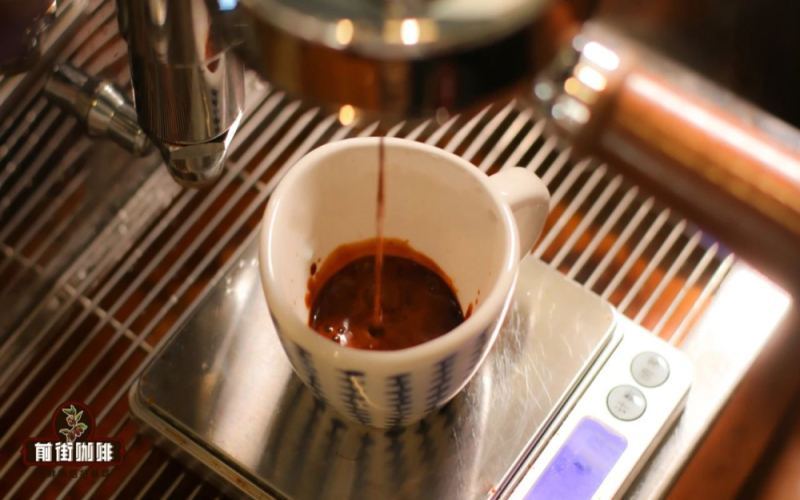
The word Espresso originates from the Italian word Express, meaning fast, and this type of coffee can be produced in an extremely short time. From the initial steam pressure design at the end of the 19th century, to Luigi Bezzerra adding a pressure stabilization device and portafilter in the 20th century, to Gaggia improving the piston system in 1946 to bring golden Crema, Espresso has gone through a history of continuous evolution. This article will sort out the origin and flavor standards of Espresso, and explain in detail Front Street Coffee's practical methods for espresso extraction parameters, dose, water temperature, and time, while also including a complete demonstration of making hot Americano and iced Americano with the Sunflower Warm Sun blend. [more…]